Blind and Blind Feels Equally Charming and Elegant
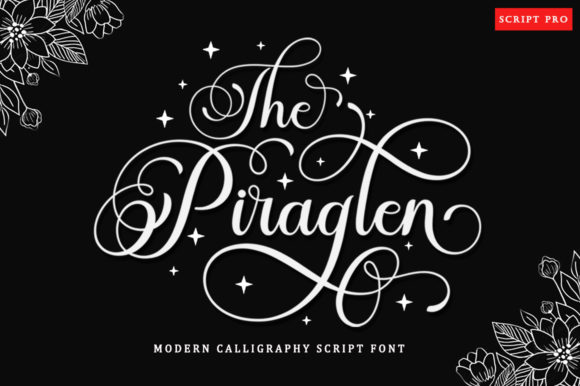
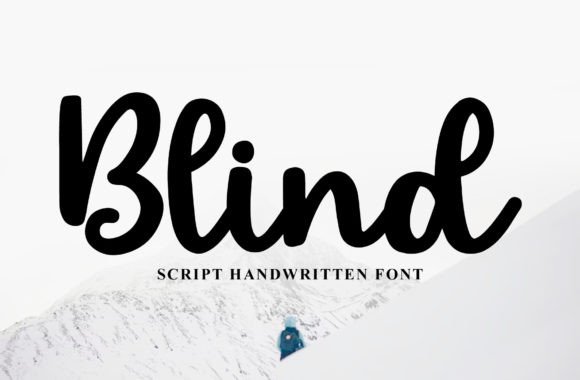
When it comes to design, there's a certain allure that comes from the handwritten touch. It adds warmth, personality, and a sense of authenticity that printed fonts often lack. Blind is one such style that has gained popularity for its ability to blend charm with elegance. Whether you're crafting wedding invitations, thank you cards, or business logos, Blind offers a unique aesthetic that stands out in a world dominated by digital typography.
The name Blind might initially suggest something obscure or difficult to understand, but in the context of design, it refers to a specific type of script that feels both familiar and fresh. This style is characterized by its flowing lines and subtle variations in lettering, making each word feel like a personal message rather than a generic text block. The result is a visual experience that feels intimate and thoughtful.
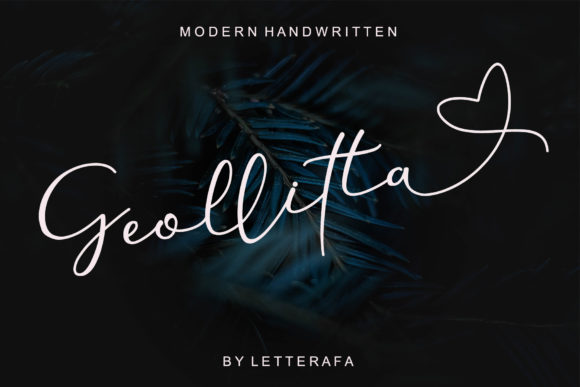
One of the key qualities of Blind is its versatility. It can be adapted to suit a wide range of applications, from formal to informal. For instance, when used on wedding invitations, Blind adds a romantic and timeless feel. Its elegant curves and soft strokes complement the theme of love and commitment, making it an ideal choice for couples who want their stationery to reflect their unique relationship.
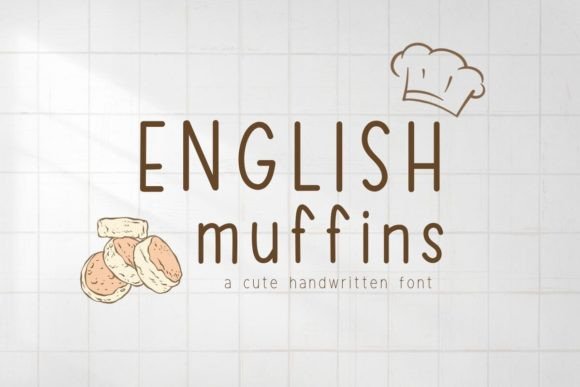
Similarly, Blind is equally at home on thank you cards. The handcrafted look of this font conveys gratitude in a way that feels genuine and heartfelt. Unlike more rigid fonts, Blind allows for slight imperfections that make each card feel like a personal note rather than a mass-produced piece. This attention to detail can make all the difference in how recipients perceive the message behind the card.
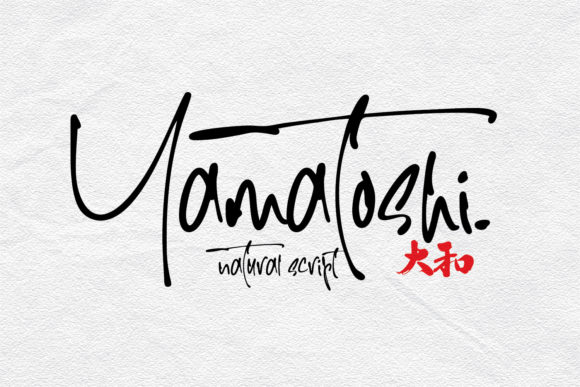
In addition to its use in personal correspondence, Blind also finds a place in professional settings. Business cards and logos that incorporate this font often exude a sense of sophistication and creativity. The subtle irregularities in the lettering add character without being distracting, which makes Blind a great option for brands that want to stand out while maintaining a level of professionalism.
Another area where Blind shines is in quote cards and greeting cards. These types of designs often require a font that can convey emotion and meaning effectively. Blind's flowing nature allows for a more expressive and dynamic presentation of words, making it perfect for inspirational messages or heartfelt sentiments. Whether it's a quote about love, success, or life, Blind helps to elevate the message and create a lasting impression.
What sets Blind apart from other handwritten styles is its balance between simplicity and complexity. While it may appear effortless at first glance, there is a level of skill required to execute it correctly. Each letter must be carefully formed to maintain the flow and consistency of the overall design. This attention to detail ensures that every piece featuring Blind feels intentional and well-crafted.
For designers and creatives looking to incorporate Blind into their work, there are several considerations to keep in mind. First, it's important to choose the right tools. Whether using a stylus, pen, or digital software, the medium will affect the final outcome. A smooth, consistent line is essential to achieving the desired effect. Additionally, practicing regularly can help improve the fluidity and accuracy of the handwriting.
Another factor to consider is the target audience. If the design is meant for a younger demographic, a more playful and energetic version of Blind might be appropriate. On the other hand, for more mature or formal contexts, a cleaner and more refined interpretation of the style could be better suited. Understanding the intended message and the audience's preferences can guide the selection and execution of the font.
Despite its charm, Blind is not without its challenges. One common issue is the potential for inconsistency. Because it is a handwritten style, each instance may vary slightly, which can be both a strength and a drawback. For some, this variability adds to the character and uniqueness of the design. However, for others, especially in professional or high-volume settings, a more uniform appearance might be preferable.
To overcome these challenges, many designers opt for digital versions of Blind. These fonts offer a level of precision and consistency that is difficult to achieve manually. Digital tools also allow for easy customization, making it simpler to adjust the style to fit different projects and purposes. Whether working on a single card or a large-scale design, the availability of digital Blind fonts provides flexibility and convenience.
Ultimately, the appeal of Blind lies in its ability to bridge the gap between the personal and the professional. It brings a human element to design while still maintaining a level of sophistication and elegance. Whether used in everyday communication or as part of a brand identity, Blind has the power to transform ordinary text into something memorable and meaningful.
As more people seek out design elements that reflect individuality and craftsmanship, Blind continues to gain traction. Its timeless appeal and adaptability make it a valuable asset for anyone looking to add a personal touch to their creative projects. Whether you're a designer, a small business owner, or simply someone who appreciates the beauty of handwritten text, Blind offers a compelling and versatile option that is sure to leave a lasting impression.