Bonheur: A Playful Handwritten Sans Serif Font for Strategic Design
When it comes to typography, the right choice can make all the difference. Bonheur is a standout in the world of fonts—a playful handwritten sans serif that brings warmth, personality, and charm to any design. More than just an aesthetic choice, Bonheur is a strategic tool that can elevate your creative projects, support your brand identity, and enhance communication with your audience.
The Unique Appeal of Bonheur
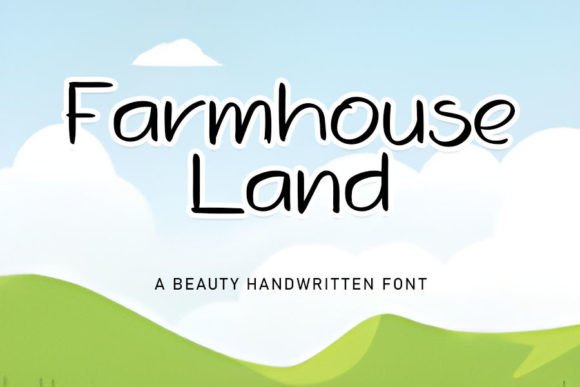
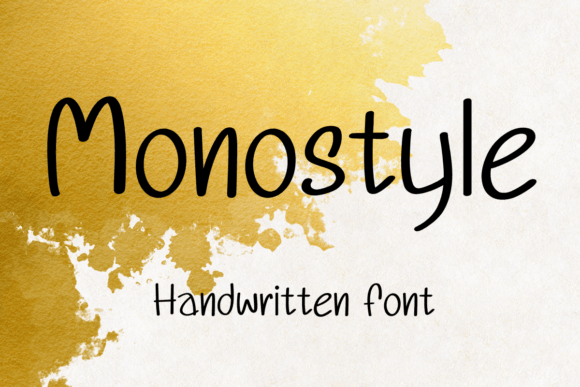
Bonheur stands out for its distinct character. It combines the fluidity of handwriting with the clarity of a sans serif font, resulting in a style that feels both modern and nostalgic. The letterforms are intentionally crafted to feel hand-drawn, giving your text a sense of authenticity and approachability. This makes Bonheur particularly effective for designs that aim to convey warmth, creativity, or a personal touch.
What sets Bonheur apart is its versatility. Whether you're designing for print, digital media, or branding materials, this font adapts well to various contexts. Its playful nature makes it ideal for use in social media graphics, invitations, logos, and even educational content. However, its strategic value lies in how it aligns with specific goals and audiences.
Strategic Use of Bonheur in Design Projects
Using Bonheur strategically means understanding when and how it best supports your objectives. For instance, if your goal is to create a brand that feels friendly and inviting, Bonheur can be a powerful asset. It helps build emotional connections with your audience by communicating approachability and creativity.
In marketing and branding, typography plays a crucial role in shaping perception. Bonheur can help reinforce a brand's personality, especially for businesses targeting younger demographics or those looking to stand out in a competitive market. Its unique style can differentiate your brand from others that rely on more traditional or generic fonts.
Additionally, Bonheur can be used effectively in educational settings. Teachers and educators often seek visually engaging materials that capture students' attention. By incorporating Bonheur into lesson plans, presentations, or study guides, you can make learning more enjoyable and memorable.
Planning for Maximum Impact
Before integrating Bonheur into your projects, consider the following planning tips:
- Define your purpose: What message do you want to convey? Is it fun, professional, or something in between?
- Know your audience: Will they appreciate the whimsical nature of Bonheur, or might they prefer something more formal?
- Test different applications: Experiment with using Bonheur in headers, body text, or accents to see what works best for your design.
- Ensure readability: While Bonheur is elegant, it's important to maintain legibility, especially at smaller sizes or in complex layouts.
- Pair wisely: Combine Bonheur with complementary fonts to balance visual hierarchy and ensure your message remains clear.
Real-World Applications and Case Studies
Let’s explore some practical examples where Bonheur has made a significant impact:
Small Business Branding: A local bakery used Bonheur in their logo and packaging to reflect the cozy, handmade nature of their products. The font helped create a warm and welcoming brand image that resonated with customers.
Marketing Campaigns: A lifestyle blog incorporated Bonheur into their email newsletters and website headers. The font added a personal touch that encouraged engagement and fostered a loyal reader base.
Event Invitations: An event planner utilized Bonheur for wedding invitations and promotional materials. The font's charm and elegance enhanced the overall experience and set the tone for the occasion.
These examples highlight how thoughtful application of Bonheur can lead to better outcomes, stronger brand recognition, and improved customer experiences.
Long-Term Value and Decision-Making
When making decisions about font selection, it's important to think beyond aesthetics. Bonheur offers long-term value by supporting consistent branding, enhancing user experience, and contributing to a cohesive visual identity.
However, it's also essential to recognize the risks of using Bonheur without clear goals or context. If applied randomly or without consideration for the target audience, it may fail to communicate the intended message or even alienate potential customers. Always align your font choices with your strategic objectives and audience expectations.
Intentional Use for Better Results
Intentionality is key when using Bonheur. Rather than relying on it as a default option, consider how it aligns with your broader goals. Ask yourself:
- Does Bonheur support the tone and voice of my brand or project?
- Will it resonate with my target audience?
- Is there a more suitable font for certain elements of my design?
- How can I use Bonheur to enhance clarity and engagement?
By approaching font selection with intention, you ensure that every design decision contributes to your overall strategy and helps achieve better results.
Conclusion
Bonheur is more than just a font—it's a strategic design tool that can elevate your work and connect with your audience in meaningful ways. When used thoughtfully, it supports your goals, enhances communication, and adds a unique flair to your projects. Whether you're a designer, marketer, educator, or small business owner, Bonheur can be a valuable addition to your creative toolkit. Embrace its playful spirit, but always apply it with purpose to maximize its impact.