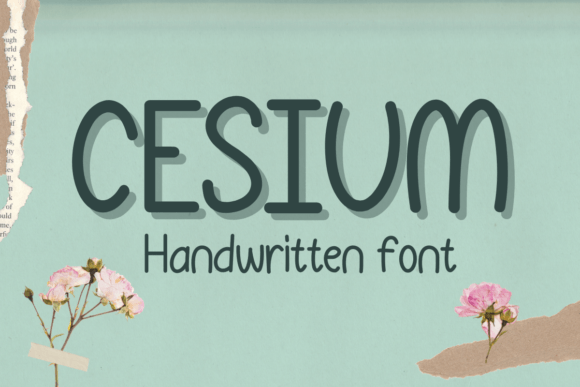
Cesium: A Handwritten Font for Creativity and Expression
Cesium is a handwritten font that brings a personal touch to any design project. Its elegant, flowing lines make it ideal for notes, diaries, greeting cards, and more. Whether you're a student, a professional, or a creative hobbyist, Cesium offers a versatile and expressive writing style that can elevate your visual communication.
Why Choose Cesium?
Handwritten fonts like Cesium are popular because they add warmth and individuality to text. Unlike digital fonts that feel sterile, Cesium mimics the natural irregularities of handwriting, making it feel more human and relatable. This makes it perfect for projects where personality matters—like social media posts, stationery, or promotional materials.
Its versatility is another key advantage. Cesium isn’t just for casual use; it works well in both small and large formats. You can use it on mugs, shirts, banners, and even digital content. The font’s legibility remains strong even at smaller sizes, which is a common concern with many handwritten styles.
Common Mistakes When Using Cesium
While Cesium is a great choice, there are several common mistakes people make when using it. Being aware of these can help you avoid pitfalls and ensure your designs look their best.
- Misjudging its suitability for formal contexts: Cesium is not always appropriate for professional or formal documents. Its casual appearance may clash with the tone of business reports, legal documents, or academic papers.
- Ignoring font pairing: Using Cesium as the only font in a design can be overwhelming. Pairing it with a clean sans-serif or serif font can create a balanced and visually appealing layout.
- Overlooking licensing restrictions: Some versions of Cesium may have specific usage rights. Always check the license agreement before using it for commercial purposes or large-scale projects.
- Not testing across devices: Fonts can render differently on various screens and operating systems. Always preview your design on multiple devices to ensure consistency.
- Using it without considering readability: While Cesium has good legibility, it's important to test how it looks in different sizes and backgrounds. Poor contrast or small text can make the font difficult to read.
How These Mistakes Can Affect Your Work
Choosing the wrong context for Cesium can lead to confusion or miscommunication. For example, using it in a marketing brochure might give the impression of informality when a more professional font is needed. Similarly, poor pairing or lack of testing can result in unprofessional-looking designs that fail to convey your intended message effectively.
Licensing issues can also cause problems if you're not careful. Using an improperly licensed version of Cesium for a product sold online could result in legal consequences. Always verify the terms of use to avoid such risks.
Practical Tips for Using Cesium Effectively
To get the most out of Cesium, consider these practical tips:
- Use it intentionally: Only use Cesium when its informal, personal style aligns with your design goals. Avoid using it for all text unless it serves a specific purpose.
- Pair it wisely: Combine Cesium with a contrasting font for headings or titles. A simple sans-serif or serif font can provide balance and clarity.
- Test it thoroughly: Before finalizing your design, check how Cesium appears on different devices and screen sizes. Make adjustments as needed to ensure readability and aesthetics.
- Respect licensing terms: Always review the font’s license agreement to understand how it can be used. If you're unsure, opt for a font with clear and flexible usage rights.
- Consider your audience: Think about who will see your design. If it's for a younger audience, Cesium might be a great fit. For older or more formal audiences, a different font might be better suited.
When to Use Cesium vs. Other Fonts
Cesium shines in creative and personal projects, but it's not the best choice for every situation. Here are some scenarios where it excels and where other fonts might be better:
- Best for: Greeting cards, handwritten notes, social media graphics, DIY projects, and branding that emphasizes a personal or artistic feel.
- Not ideal for: Business presentations, legal documents, academic papers, or any context where professionalism and clarity are paramount.
- Alternative options: For more formal settings, consider fonts like Helvetica, Times New Roman, or Calibri. These offer clean, professional looks that complement Cesium when paired appropriately.
What to Check Before Using Cesium
Before incorporating Cesium into your projects, take a few moments to evaluate the following:
- Font availability: Ensure you have access to the correct version of Cesium. Some fonts require purchase or subscription, so verify that you’re using the right source.
- License compliance: Confirm that the font can be used for your intended purpose, especially if you plan to sell products or use it commercially.
- Design compatibility: Test Cesium in your intended design environment to ensure it looks good alongside other elements like images, colors, and layouts.
- Audience appropriateness: Consider whether the font’s style matches the expectations of your target audience. A mismatch can reduce the impact of your message.
Conclusion
Cesium is a beautiful and expressive handwritten font that can enhance your creative projects. However, like any tool, it requires thoughtful application. By understanding its strengths, avoiding common mistakes, and choosing the right context, you can use Cesium effectively and confidently. Whether you're creating a greeting card, designing a banner, or working on a personal project, Cesium has the potential to bring your ideas to life in a unique and meaningful way.