Opera Voice: A Bold Brush Handwritten Font for Creative Expression
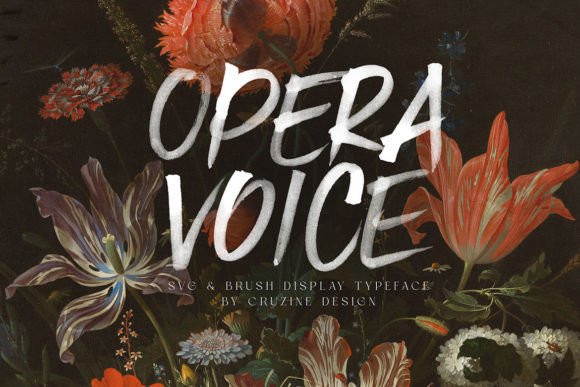
Opera Voice is a distinctive handwritten font that stands out with its confident and sophisticated design. Its expressive strokes and unique character shapes bring a dramatic and artistic flair, making it an appealing choice for designers looking to add personality and creativity to their work. This font is particularly well-suited for projects where elegance and individuality are key.
Design Characteristics and Visual Appeal
Opera Voice is crafted with a bold brush style that gives it a sense of movement and energy. Each letterform is designed to feel hand-drawn, yet maintains a level of consistency that ensures readability. The font's structure allows for both uppercase and lowercase letters, making it versatile for a range of applications.
One of the standout features of Opera Voice is its ability to convey emotion through typography. The expressive strokes and varied thickness of the lines create a dynamic visual effect that can enhance the overall message of a design. Whether used in a logo, social media post, or editorial layout, Opera Voice adds a touch of artistry that can elevate the visual impact of the content.
Practical Applications and Use Cases
The versatility of Opera Voice makes it suitable for various creative projects. It is particularly effective in branding efforts where a unique and memorable visual identity is desired. Logos, for instance, benefit from the font's boldness and distinctiveness, helping to establish a brand's character quickly.
In editorial design, Opera Voice can be used to highlight headlines or subheadings, drawing attention to key points while maintaining a cohesive aesthetic. Social media graphics also benefit from this font, as its expressive nature aligns well with the informal and engaging tone often seen in digital content.
For bloggers and content creators, Opera Voice offers a way to differentiate their material visually. Using it in titles or call-to-action buttons can make content more inviting and engaging for readers. Similarly, educators and publishers might find it useful for creating visually appealing materials that capture students' or readers' interest.
Strengths and Limitations
Opera Voice excels in situations where a strong visual statement is needed. Its boldness and artistic flair make it ideal for projects that require a sense of drama or uniqueness. However, it may not be the best choice for all contexts. For example, in body text or long-form content, the font's stylistic elements could reduce legibility, especially at smaller sizes.
Another consideration is the font's compatibility with different platforms and software. While most modern design tools support Opera Voice, users should ensure that the font is properly embedded or licensed for use in their specific applications. Additionally, the font may not render consistently across all devices or browsers, which could affect its appearance in certain environments.
Who Benefits Most from Opera Voice?
Opera Voice is particularly well-suited for professionals in creative fields who value originality and visual impact. Marketers and entrepreneurs may find it useful for branding and promotional materials, as it helps to create a memorable and distinctive presence. Designers and freelancers working on logos, posters, or other visual assets will appreciate the font's versatility and artistic qualities.
Bloggers and content creators who aim to stand out in a crowded digital space can also benefit from Opera Voice. Its expressive nature allows for a more engaging and personal touch in their content. Educators and publishers may use it to create visually stimulating learning materials or publications that capture the attention of their audience.
Real-World Performance and User Experience
When used in real-world scenarios, Opera Voice demonstrates its strengths in creating eye-catching designs. Its bold strokes and unique character shapes make it stand out, which is particularly valuable in competitive markets. However, users should be mindful of its limitations, such as reduced legibility in certain contexts.
From a usability perspective, Opera Voice is relatively easy to integrate into design workflows. Its availability in various formats and platforms makes it accessible to a wide range of users. That said, some users may need to adjust their workflow slightly to accommodate the font's specific characteristics, such as ensuring proper spacing and alignment in layouts.
Recommendations and Best Practices
To maximize the effectiveness of Opera Voice, it is recommended to use it sparingly and strategically. Pairing it with more traditional fonts for body text can help maintain readability while still incorporating the font's artistic flair. Testing the font in different contexts and sizes is also advisable to ensure it performs well in intended applications.
For those considering Opera Voice, it's important to evaluate whether its bold and expressive nature aligns with their project goals. If the objective is to create a strong visual identity or to add a unique touch to a design, Opera Voice can be an excellent choice. However, if clarity and consistency are paramount, alternative fonts may be more appropriate.
Ultimately, Opera Voice is a valuable addition to any designer's toolkit. Its combination of confidence, sophistication, and artistic expression makes it a compelling option for those seeking to elevate their creative output. When used thoughtfully, it can enhance the visual appeal of a wide range of design projects.