Quitong: A Bold Choice for Dynamic Design
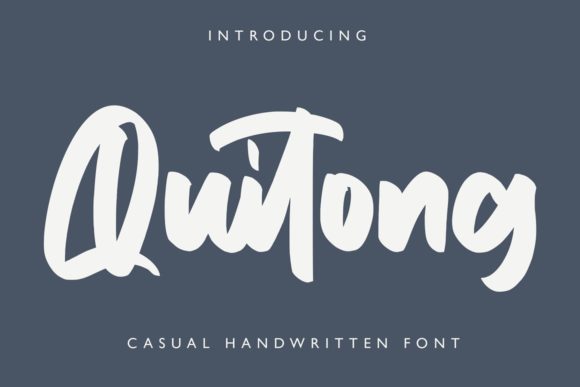
Quitong is a distinctive font that stands out in the world of typography. Designed with thick, bold strokes and a handwritten feel, it brings a unique character to any design project. Its strong, confident appearance makes it ideal for headlines and logotypes, offering both visual impact and nostalgic charm. Whether you're working on branding materials, social media graphics, or print publications, Quitong can elevate your creative output with its dynamic presence.
The Unique Appeal of Quitong
What sets Quitong apart from other fonts is its ability to convey strength and individuality. The thick lettering gives it a robust look, while the handwritten elements add a touch of personality. This combination makes Quitong versatile enough to suit a variety of design needs without sacrificing readability or style.
The font's bold nature ensures that it commands attention, making it perfect for titles, logos, and other prominent text elements. At the same time, its nostalgic character appeals to those who appreciate a more traditional aesthetic in their designs. This balance between modernity and vintage appeal is one of Quitong’s most compelling features.
Key Characteristics and Practical Value
Quitong is not just about looks—it also offers practical benefits for designers. Its strong, consistent stroke weight ensures that each letter maintains visual harmony, which is essential for maintaining a professional appearance. The font’s structure allows for easy readability, even when used at smaller sizes, which is crucial for digital applications such as websites and mobile interfaces.
One of the standout qualities of Quitong is its adaptability. It performs well across different mediums, including print and digital formats. This versatility makes it an excellent choice for a wide range of projects, from marketing materials to editorial content. Its boldness ensures that it remains legible even when used in high-contrast environments, which is particularly useful for signage, posters, and banners.
In terms of usability, Quitong is straightforward to implement. Most design software supports it without requiring additional plugins or special formatting. This ease of use means that designers can focus on their creative vision rather than technical limitations. Additionally, the font’s open-source nature makes it accessible to a broad audience, including independent creators and small businesses looking to enhance their visual identity.
Who Benefits Most from Quitong?
Quitong is especially beneficial for professionals and entrepreneurs who want to make a strong visual statement. Marketers and brand strategists can use it to create eye-catching campaigns that stand out in a crowded market. Freelancers and designers who value both aesthetics and functionality will find Quitong to be a reliable tool in their arsenal.
For educators and publishers, Quitong can add a unique flair to educational materials, book covers, and courseware. Its nostalgic character can help create a sense of familiarity, which is particularly valuable in learning environments. Small business owners looking to build a distinctive brand identity may also find Quitong to be a powerful asset in their branding strategy.
Creatives who work in niche markets or specific industries—such as fashion, music, and lifestyle—can leverage Quitong to differentiate their content. Its bold and dynamic nature aligns well with these sectors, where visual storytelling plays a key role in engaging audiences.
Real-World Applications and Limitations
In practice, Quitong performs exceptionally well in scenarios where visual impact is paramount. For example, a designer creating a logo for a new startup might choose Quitong to convey confidence and innovation. Similarly, a blogger using it for headline text could benefit from its strong presence, helping to draw readers in immediately.
However, like any font, Quitong has its limitations. Its bold style may not be suitable for all contexts, particularly those requiring subtle or elegant typography. In situations where clarity and subtlety are more important than visual punch, Quitong may not be the best choice. Additionally, due to its thick strokes, it may not be ideal for body text in longer documents, where readability is critical.
Another consideration is the font’s compatibility with certain design tools. While most modern software supports Quitong, some older systems or platforms may require additional configuration to ensure proper rendering. Designers should test the font in their intended environment before finalizing their project to avoid unexpected issues.
Practical Recommendations and Considerations
If you're considering using Quitong, it's important to evaluate how it fits into your overall design strategy. Start by assessing the purpose of your project and the message you want to convey. If boldness and character are central to your vision, Quitong could be an excellent fit.
Pair Quitong with complementary fonts for body text to maintain balance and readability. For instance, using a clean sans-serif or serif font alongside Quitong can create a visually appealing contrast. This approach ensures that your design remains functional while still making a strong visual statement.
When implementing Quitong, pay attention to spacing and alignment. The font’s thick strokes can sometimes cause text to appear cramped, so adjusting line spacing and paragraph margins can significantly improve the overall appearance. Testing the font in different contexts will help you determine the optimal settings for your specific use case.
Finally, consider the long-term value of Quitong. As a free and open-source font, it offers cost-effective solutions for designers and businesses. Its reliability and consistent performance make it a solid investment, particularly for those who need a dependable typeface that can evolve with their projects over time.
Conclusion
Quitong is more than just a font—it’s a design tool that brings energy, confidence, and character to any project. Its bold, handwritten style makes it a standout choice for headlines, logos, and other prominent text elements. While it may not be suitable for every context, its strengths in visual impact and versatility make it a valuable asset for designers, marketers, and creatives alike.
Whether you’re building a brand, creating content, or designing for a specific audience, Quitong offers a unique blend of style and functionality. By understanding its characteristics and limitations, you can determine whether it aligns with your goals and enhances your workflow. With careful implementation and thoughtful pairing, Quitong can become a powerful addition to your design toolkit.