Ratatouille and Ratatouille: A Handwritten Font for Creative Expression
The world of typography is vast, offering a wide range of styles to suit different needs and aesthetics. Among the many fonts available, Ratatouille has gained popularity not just as a font name but also as a delicate handwritten font that brings a personal touch to digital content. Whether you're designing invitations, updating your digital planner, or adding a unique flair to your journal entries, Ratatouille can be the perfect choice.
What Is Ratatouille?
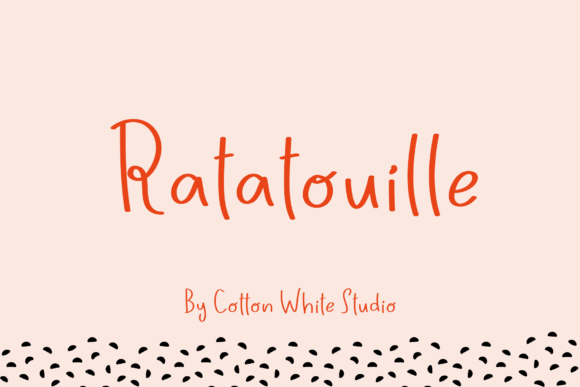
Ratatouille is a handwritten font designed to mimic the fluidity and elegance of cursive handwriting. Its name, derived from the famous Pixar film Ratatouille, adds an artistic and whimsical element to its design. The font features soft curves and gentle strokes that give it a handcrafted feel, making it ideal for creative projects that require a personal touch.
One of the key characteristics of Ratatouille is its versatility. It works well in both digital and print formats, allowing users to apply it across various platforms without compromising readability. The font's delicate nature makes it especially suitable for use in note-taking, journaling, and personal branding.
Why Choose Ratatouille for Your Projects?
When selecting a font for your project, it's important to consider how it aligns with your overall message and visual style. Ratatouille offers several advantages that make it a compelling choice:
- Handwritten Aesthetic: The font’s handwritten look adds warmth and personality to any design, making it ideal for invitations, greeting cards, and social media posts.
- Readability: Despite its elegant appearance, Ratatouille remains highly readable, even at smaller sizes. This makes it suitable for both body text and headings.
- Adaptability: Whether you're creating a digital planner, a wedding invitation, or a blog post, Ratatouille can adapt to fit your needs.
- Emotional Impact: The font's soft curves and flowing lines evoke a sense of nostalgia and creativity, which can enhance the emotional tone of your content.
By choosing Ratatouille, you’re not just selecting a font—you're choosing a style that reflects your personality and values. It's a great option for those who want to add a touch of individuality to their digital work.
How to Use Ratatouille Effectively
Using Ratatouille effectively requires some thought about how it fits into your overall design. Here are a few practical tips:
1. Pair with Complementary Fonts: While Ratatouille is beautiful on its own, pairing it with a clean sans-serif font can help balance the design. For example, using Ratatouille for headings and a modern sans-serif like Arial or Helvetica for body text can create a visually appealing contrast.
2. Consider the Context: Before applying Ratatouille to your project, think about the context in which it will be used. A handwritten font like this might not be the best choice for formal documents or professional presentations, where clarity and professionalism are key.
3. Test Different Sizes: Since Ratatouille is a delicate font, it's important to test it at various sizes to ensure it remains legible. Avoid using it for very small text unless the design allows for it.
4. Explore Digital Tools: Many design tools and applications support Ratatouille, including Adobe InDesign, Canva, and Microsoft Word. Experiment with these tools to see how the font looks in different formats and settings.
Practical Applications of Ratatouille
Ratatouille is more than just a pretty font—it has real-world applications that can enhance your creative workflow. Here are some scenarios where it shines:
1. Digital Planners and Journals: If you're someone who enjoys writing by hand or wants to add a personal touch to your digital planner, Ratatouille can help you achieve that. Its handwritten style makes notes and reminders feel more authentic and engaging.
2. Invitations and Stationery: Whether you're planning a wedding, a birthday party, or a special event, Ratatouille can bring a unique and memorable feel to your invitations. It's particularly well-suited for informal events where a personal touch is appreciated.
3. Social Media Content: Social media platforms like Instagram, Pinterest, and TikTok often benefit from visually appealing content. Using Ratatouille in your captions, headers, or graphic designs can help your content stand out and connect with your audience on a more personal level.
4. Personal Branding: If you're building a brand or running a creative business, Ratatouille can be a powerful tool for expressing your identity. It's a great choice for logos, website headers, and promotional materials that need to feel both professional and approachable.
Considerations Before Choosing Ratatouille
Before deciding to use Ratatouille, it's important to consider a few factors that may affect your experience:
1. Licensing and Availability: Ensure that you have the proper license for using Ratatouille in your project. Some fonts are free to use, while others require a purchase or subscription. Always check the font's licensing terms before downloading or using it.
2. Compatibility: Not all platforms and software support every font. Make sure that Ratatouille is compatible with the tools you're using, whether it's a design program, a word processor, or a website builder.
3. Consistency: When using Ratatouille across multiple projects, maintain consistency in its application. This helps reinforce your brand identity and ensures a cohesive look across all your materials.
4. Audience Preferences: Consider your target audience when choosing a font. While Ratatouille is elegant and stylish, it may not be the best choice for all demographics. Always keep your audience's preferences and expectations in mind.
Conclusion
Ratatouille is more than just a font—it's a creative tool that can elevate your digital and print projects. With its delicate, handwritten style, it offers a unique way to express yourself and add personality to your work. Whether you're designing invitations, updating your digital planner, or creating social media content, Ratatouille can help you achieve a more personal and engaging look.
By understanding its strengths and limitations, you can use Ratatouille effectively to enhance your creative output. Remember to consider your project's goals, your audience, and the context in which you'll be using the font. With the right approach, Ratatouille can become an essential part of your design toolkit.