Barkley Font: A Simple and Friendly Handwritten Style for Creative Projects
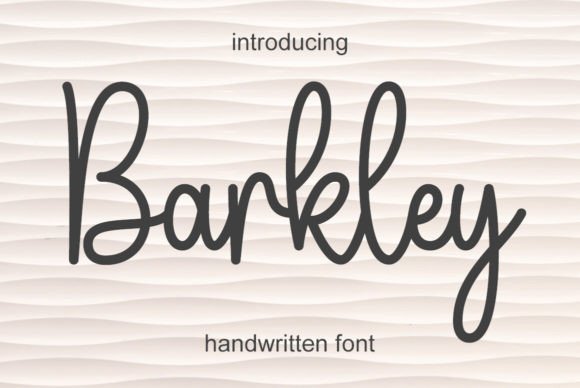
If you're looking for a font that feels personal, approachable, and just a little bit magical, Barkley is the perfect choice. This handwritten font brings a whimsical and quirky charm to any design, making it ideal for projects that need warmth and character. Whether you're creating a logo, crafting wedding invitations, or designing a poster, Barkley adds a unique personality that can elevate your work in subtle but meaningful ways.
Why Barkley Stands Out
Barkley isn’t just another decorative font—it’s designed with simplicity and readability in mind. Its friendly curves and soft lines make it feel like someone wrote it by hand, which gives it a natural, unpolished look that many designers find appealing. Unlike some fonts that are too stylized or difficult to read, Barkley strikes a balance between style and usability. It's not about being flashy; it's about being expressive and inviting.
This font works especially well when you want to create a sense of intimacy or playfulness in your designs. For example, if you're working on a children's book cover, a greeting card, or a social media post, Barkley can help convey warmth and approachability without overwhelming the viewer.
Real-World Use Cases for Barkley
Let’s explore how Barkley can be used in different scenarios:
- Wedding Invitations: Barkley’s elegant yet casual style makes it an excellent choice for wedding stationery. It adds a personal touch while still maintaining professionalism.
- Logos and Branding: If your brand values creativity and individuality, Barkley can serve as a signature font. It’s particularly effective for lifestyle brands, boutique shops, or creative agencies.
- Quotes and Social Media Posts: The font’s playful nature is perfect for sharing inspirational quotes or short messages online. It adds a handcrafted feel that resonates with audiences who appreciate authenticity.
- Print and Magazine Design: In print materials, Barkley can highlight key phrases or headlines, drawing attention without being distracting. It works well in magazines, brochures, and other publications where visual interest is important.
- Advertising: Barkley can help differentiate your ad from competitors by adding a unique aesthetic. It’s great for campaigns targeting younger audiences or those looking for a more personal connection.
Each of these use cases shows how Barkley can adapt to different needs while maintaining its core identity. It’s not just about what the font looks like—it’s about how it makes people feel.
Who Benefits Most from Using Barkley?
Barkley appeals to a wide range of users, but it particularly resonates with those who value creativity and personal expression. Here are a few groups that might find it especially useful:
- Graphic Designers: Looking for a font that balances style and readability? Barkley offers both without sacrificing clarity.
- Small Business Owners: Want to add a unique touch to your branding? Barkley can help you stand out in a crowded market.
- Content Creators: Whether you're making videos, blogs, or social media content, Barkley can enhance your visuals and make your message more engaging.
- Teachers and Educators: For classroom materials, lesson plans, or student projects, Barkley can make learning feel more interactive and fun.
- Freelancers and Entrepreneurs: If you're building your personal brand, Barkley can help you create a cohesive and memorable visual identity.
Ultimately, the best way to determine if Barkley is right for you is to experiment. Try using it in different contexts and see how it fits with your overall design goals.
Considerations Before Using Barkley
While Barkley is a versatile and charming font, there are a few things to keep in mind before incorporating it into your projects:
- Readability: Although Barkley is easy to read in most cases, it may not be suitable for long blocks of text. Use it strategically for headlines, labels, or short phrases.
- Contrast: To ensure legibility, pair Barkley with a background that provides enough contrast. Dark text on light backgrounds or vice versa usually works best.
- Consistency: Use Barkley consistently within a design to maintain visual harmony. Avoid mixing it with overly bold or stylized fonts unless you’re intentionally creating a contrasting effect.
- Accessibility: Consider how your audience might interact with the font. If your design is meant for older adults or individuals with visual impairments, ensure that the font size and spacing are appropriate.
- License Agreement: Always check the licensing terms for any font you use. Some fonts are free for personal use only, while others require a purchase for commercial projects.
By keeping these considerations in mind, you can maximize the benefits of Barkley while avoiding potential pitfalls.
Strengths and Limitations
Barkley has several strengths that make it a popular choice among designers:
- Approachable Aesthetic: Its friendly and whimsical style creates a welcoming atmosphere, making it ideal for projects that aim to connect with people on a personal level.
- Easy to Read: Despite its handwritten appearance, Barkley remains highly legible, which is a big plus for practical applications.
- Adaptable: It can be used across a variety of industries and purposes, from creative design to marketing and education.
- Unique Personality: Barkley stands out in a sea of generic fonts, helping your designs feel more original and memorable.
However, it’s also important to recognize its limitations:
- Limited for Formal Settings: While Barkley is great for creative and casual projects, it may not be the best choice for formal documents, legal contracts, or corporate presentations.
- Not Ideal for Long Text: As mentioned earlier, it’s better suited for short texts rather than lengthy paragraphs or articles.
- Dependent on Context: The effectiveness of Barkley depends heavily on the context in which it’s used. What works well for a social media post might not be appropriate for a business report.
Despite these limitations, Barkley remains a valuable tool for anyone looking to add a touch of personality to their designs.