Retro Angela Font: A Vintage Handwritten Style for Creative Projects
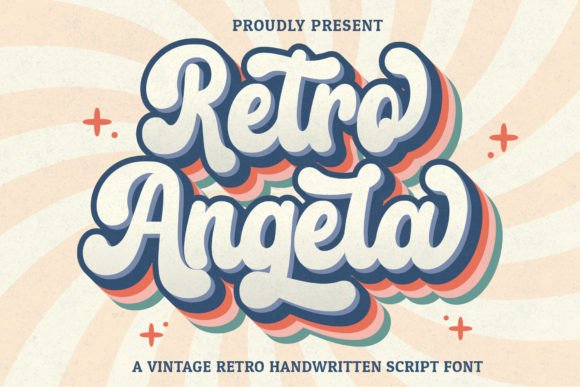
Retro Angela is a cool, vintage-style handwritten font that brings a nostalgic charm to any design project. Its unique aesthetic makes it a popular choice among designers looking to add character and personality to their work. Whether you're creating logos, branding materials, invitations, or social media content, Retro Angela offers a distinctive visual appeal that stands out in a digital world.
What Makes Retro Angela Stand Out?
Retro Angela is designed with a retro-inspired style that evokes the look of old typewriters and hand-drawn scripts. The font features elegant curves and flourishes that give it a timeless feel. It's ideal for projects that require a touch of elegance and warmth, such as wedding invitations or vintage-themed stationery.
One of the standout features of Retro Angela is its PUA encoding. This means that all glyphs and swashes are easily accessible, allowing users to customize the font to suit their specific needs. Whether you're looking for subtle variations or more dramatic embellishments, Retro Angela provides flexibility without compromising on quality.
When Would You Use Retro Angela?
Retro Angela is particularly well-suited for creative projects that benefit from a vintage or nostalgic vibe. Here are some situations where this font may be a strong fit:
- Wedding Designs: The elegant and romantic feel of Retro Angela makes it perfect for wedding invitations, programs, and other related materials.
- Branding: For businesses with a vintage or artisanal theme, Retro Angela can help create a cohesive and memorable brand identity.
- Social Media Posts: Adding a retro touch to social media content can help brands stand out and connect with audiences who appreciate a nostalgic aesthetic.
- Stationery and Invitations: Whether it's for birthdays, anniversaries, or other special events, Retro Angela adds a personal and artistic flair to paper-based designs.
Considerations and Tradeoffs
While Retro Angela has many advantages, it's important to consider whether it aligns with your specific goals. One key consideration is readability. Because it's a handwritten font, it may not be the best choice for long blocks of text or formal documents. However, for short phrases, headlines, or decorative elements, it performs exceptionally well.
Another factor to keep in mind is versatility. While Retro Angela works well in many contexts, it may not be suitable for every design project. For example, if you're creating a modern or minimalist design, a more geometric or sans-serif font might be a better fit.
Additionally, while the PUA encoding allows for easy access to all glyphs and swashes, it requires some technical knowledge to fully utilize. If you're new to font customization, you may need to invest time in learning how to use these features effectively.
Alternatives to Consider
If Retro Angela doesn't quite meet your needs, there are several other fonts that offer similar aesthetics but with different characteristics:
- Courier New: A classic monospace font that offers a clean and professional look, though it lacks the ornate details of Retro Angela.
- Playfair Display: A serif font with a refined and elegant appearance, ideal for more formal or sophisticated designs.
- Great Vibes: Another vintage-style font that shares some similarities with Retro Angela, but with a slightly more playful and whimsical feel.
- Quicksand: A modern sans-serif font that provides a clean and versatile option for various design applications.
Each of these fonts has its own strengths and weaknesses, so it's important to evaluate them based on your specific requirements. Retro Angela excels in projects that require a vintage or artistic touch, but alternatives may be more appropriate for different design contexts.
How to Make an Informed Decision
When deciding whether to use Retro Angela, consider the following practical insights:
- Define Your Purpose: Determine what you're trying to achieve with the font. Is it for branding, invitations, or social media? The purpose will influence which font is most effective.
- Assess Readability: Test the font in different sizes and contexts to ensure it remains legible and visually appealing.
- Evaluate Versatility: Consider whether the font can be adapted to various design elements or if it's better suited for specific uses.
- Check Compatibility: Ensure that the font works well with the tools and platforms you're using, especially if you're planning to use it across multiple mediums.
- Explore Customization Options: Take advantage of the PUA encoding to experiment with different glyphs and swashes, enhancing the font's adaptability.
By carefully evaluating these factors, you can determine whether Retro Angela is the right choice for your project or if another font might better suit your needs.