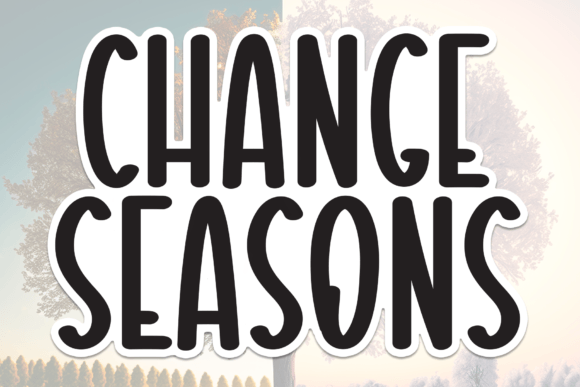
Change Seasons: A Handwritten Font That Brings Character to Your Designs
When it comes to typography, the right font can make all the difference. Change Seasons is a sweet and friendly handwritten font that brings warmth, personality, and a touch of creativity to any design. Its natural and unique style makes it incredibly fitting for a wide range of projects, from branding and social media posts to invitations and creative content. Whether you're a beginner or a seasoned designer, understanding how to use Change Seasons effectively can elevate your work and help you avoid common pitfalls.
Why People Love Change Seasons
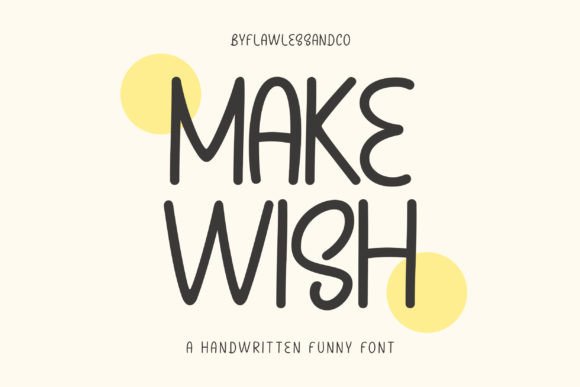
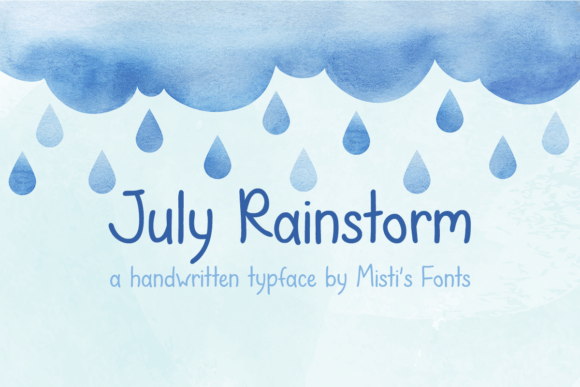
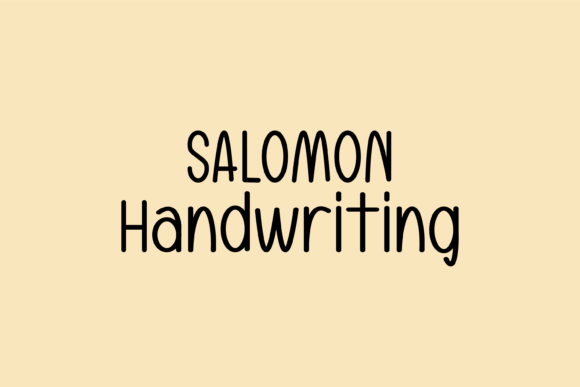
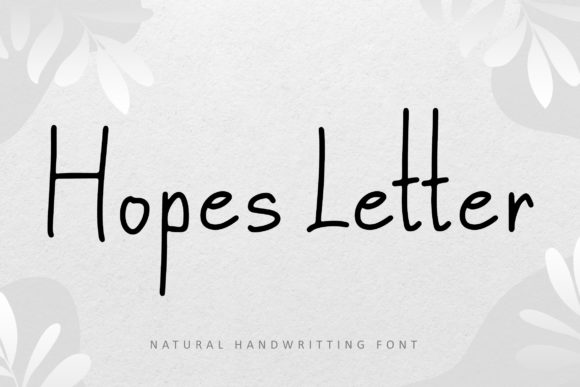
Change Seasons stands out because of its handcrafted feel. Unlike many digital fonts that mimic print, this font captures the essence of handwriting—each letter has a distinct character, making it ideal for designs that need a personal touch. It’s especially popular among creators who want to add a sense of authenticity and charm to their work.
Its versatility is another major draw. From casual blogs to professional presentations, Change Seasons adapts well depending on the context. For instance, a small business owner might use it for a logo or signage, while a blogger could incorporate it into headers or call-to-action buttons. The key is knowing when and how to apply it for the best results.
Common Mistakes When Using Change Seasons
While Change Seasons offers great potential, there are several common mistakes people make when using it. Understanding these can help you avoid unnecessary frustration and ensure your designs look their best.
1. Overusing the Font
One of the most frequent errors is using Change Seasons too much in a single design. Because it's a handwritten font, it can become overwhelming if used excessively. This can lead to visual clutter and reduce readability.
Example: A website header that uses Change Seasons for all text may look charming at first, but after a few seconds, it can feel chaotic and hard to read. The solution? Use it sparingly, such as for headlines or accents, rather than full paragraphs.
2. Not Checking Font Licensing
Many users overlook the importance of checking font licensing before using Change Seasons. Some fonts are free for personal use only, while others require a purchase for commercial applications. Failing to do so can result in legal issues or unexpected costs.
Example: A freelance graphic designer might use Change Seasons for a client project without verifying the license, only to be asked to replace it later due to copyright concerns. Always review the terms of use before applying the font to any project, especially those involving paid services or public distribution.
3. Ignoring Readability in Different Sizes
Change Seasons looks great in larger sizes, but it can become difficult to read when scaled down. This is particularly important for body text or labels that need to be easily legible across various devices.
Example: A blog post with Change Seasons as the main font may look stylish on a desktop screen, but it can be nearly impossible to read on a mobile device. To avoid this, consider pairing it with a more readable sans-serif font for body text, using Change Seasons only for headings or decorative elements.
How to Use Change Seasons Effectively
Using Change Seasons correctly requires some thought and planning. Here are a few practical tips to help you get the most out of this beautiful font.
1. Pair It with Complementary Fonts
To maintain balance and readability, pair Change Seasons with a clean, modern sans-serif font for body text. This combination ensures your message remains clear while still adding a touch of personality.
Example: A marketing campaign might use Change Seasons for headlines and Arial or Helvetica for the rest of the content. This approach keeps the design visually appealing without sacrificing readability.
2. Test Across Devices and Platforms
Before finalizing a design, test how Change Seasons appears on different devices and platforms. What looks good on a desktop might not render the same way on a mobile phone or tablet.
Example: A logo created with Change Seasons may look perfect on a computer, but when viewed on a smartphone, the font could appear blurry or distorted. Always preview your work in multiple environments to ensure consistency.
3. Consider the Purpose of Your Design
Ask yourself: What is the goal of my design? If it's meant to convey professionalism, Change Seasons might not be the best choice. However, for creative or informal projects, it can be an excellent fit.
Example: A wedding invitation might benefit from the warm, personal feel of Change Seasons, while a corporate brochure would likely require something more formal and structured.
What to Check Before Using Change Seasons
Before incorporating Change Seasons into your next project, take a moment to evaluate the following:
- Licensing: Is the font free for commercial use, or do you need to purchase a license?
- Readability: Will the font remain legible at the size and resolution you plan to use it?
- Compatibility: Does the font work well across different platforms and devices?
- Design Context: Does the font align with the overall tone and purpose of your project?
By considering these factors, you’ll be better equipped to make informed decisions and avoid common mistakes.
Conclusion
Change Seasons is a versatile and charming font that can enhance your designs in countless ways. However, like any tool, it requires thoughtful application to achieve the best results. By avoiding common mistakes and using it strategically, you can create visually engaging and effective designs that resonate with your audience.