Happy Notes: The Delicate Handwritten Font That’s Changing How We Create
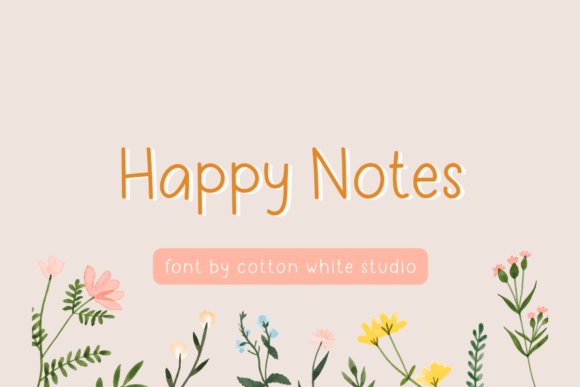
In a world dominated by screens and digital interfaces, there’s something undeniably human about handwriting. It carries emotion, personality, and a touch of imperfection that no algorithm can replicate. Enter Happy Notes, a delicate handwritten font that bridges the gap between analog charm and digital versatility. Whether you're designing a personal journal, crafting an invitation, or organizing your digital planner, Happy Notes offers a fresh way to infuse creativity into everyday tasks.
The Rise of Handwritten Fonts in a Digital Age
Handwritten fonts have long been a staple in design, but their relevance has grown significantly in recent years. As people seek more personal and expressive ways to communicate, the demand for fonts that mimic handwriting has surged. Happy Notes stands out not just for its aesthetic appeal but also for its adaptability across various platforms and mediums.
Today’s professionals, creators, and entrepreneurs are increasingly looking for tools that reflect individuality. A font like Happy Notes allows users to add a personal touch without sacrificing clarity or professionalism. From social media graphics to email signatures, this font adds warmth and character to otherwise sterile digital content.
Why Happy Notes Matters for Modern Creatives
For those who rely on visual communication—whether as a blogger, educator, or business owner—Happy Notes offers a unique advantage. It’s not just about aesthetics; it’s about connection. When text feels handcrafted, it invites readers to slow down and engage more deeply with the message.
Consider the case of a small business owner running a lifestyle blog. By using Happy Notes for headers or call-to-action buttons, they can create a more inviting and relatable brand presence. Similarly, educators might use the font in lesson plans or student notes to make content feel more approachable and less rigid.
Happy Notes is also ideal for note-taking. Its delicate strokes and flowing curves make it easy to read while still maintaining a sense of authenticity. This makes it a great choice for planners, bullet journals, and digital apps designed for productivity and creativity.
Happy Notes and the Trend Toward Personalization
Modern consumers are no longer satisfied with one-size-fits-all solutions. They want experiences that reflect their values, preferences, and identities. This shift has led to a growing interest in personalized design elements, including fonts.
Happy Notes aligns perfectly with this trend. Its soft, elegant style appeals to those who value both beauty and function. Whether used in a wedding invitation, a marketing campaign, or a personal project, the font adds a layer of thoughtfulness that resonates with audiences.
Moreover, the font’s versatility means it can be adapted to suit different industries and purposes. A marketer might use it for branding materials to stand out in a crowded market, while a freelancer could incorporate it into their portfolio to showcase a creative and personal brand.
How Happy Notes Fits Into Modern Workflows
As remote work and hybrid environments become the norm, the need for flexible, user-friendly design tools has never been greater. Happy Notes fits seamlessly into these workflows, offering a balance between simplicity and sophistication.
For instance, a freelance graphic designer might use Happy Notes in their client presentations to create a more engaging and memorable experience. Similarly, a content creator could apply the font to social media posts or newsletters to maintain a consistent visual identity while keeping the tone warm and approachable.
What makes Happy Notes particularly useful is its compatibility with both digital and physical formats. It works well in applications like Canva, Adobe InDesign, and even Microsoft Word, making it accessible to a wide range of users. This cross-platform flexibility ensures that the font remains relevant across different stages of the creative process.
Practical Tips for Using Happy Notes Effectively
If you’re new to using handwritten fonts like Happy Notes, here are some practical tips to help you get started:
- Start Small: Use Happy Notes for headings, quotes, or decorative elements rather than entire paragraphs to maintain readability.
- Pair Wisely: Combine Happy Notes with a clean, sans-serif font for contrast and balance.
- Test Across Devices: Ensure the font looks good on all screen sizes and resolutions.
- Experiment: Try different weights and styles to find what best suits your project.
- Stay Consistent: Use the font consistently to reinforce brand identity and visual coherence.
By following these guidelines, you can maximize the impact of Happy Notes without compromising on usability or professionalism.
The Future of Handwritten Fonts and Creative Expression
While the future of design is always evolving, one thing remains clear: people will continue to value authenticity and personal expression. Happy Notes represents a thoughtful response to this desire, offering a font that is both functional and emotionally resonant.
As technology continues to advance, we can expect more tools that blend the best of both worlds—digital efficiency and handmade charm. Fonts like Happy Notes are at the forefront of this movement, proving that creativity doesn’t have to come at the expense of practicality.
Ultimately, the power of Happy Notes lies in its ability to connect. Whether you’re a professional, a hobbyist, or simply someone who appreciates the beauty of handwritten text, this font offers a simple yet effective way to bring more warmth and personality into your digital life.